Good Night Sleep
Good night sleep: seven hours, and how to get them
Sleep is not the reward for a finished day. It is the thing that makes the next one possible.

Wellness
Sleep disorders, a calm evening, and the seven hours that repair everything else.
Sleep is treated as the thing you do once everything else is finished. It is closer to the opposite: the process that makes everything else possible.
Tissue repairs. Memory consolidates - what you learned today is filed tonight. The immune system does much of its work. Appetite hormones reset, which is why short sleep reliably produces hunger and poor food decisions the following day. None of this is optional and none of it can be made up at the weekend.
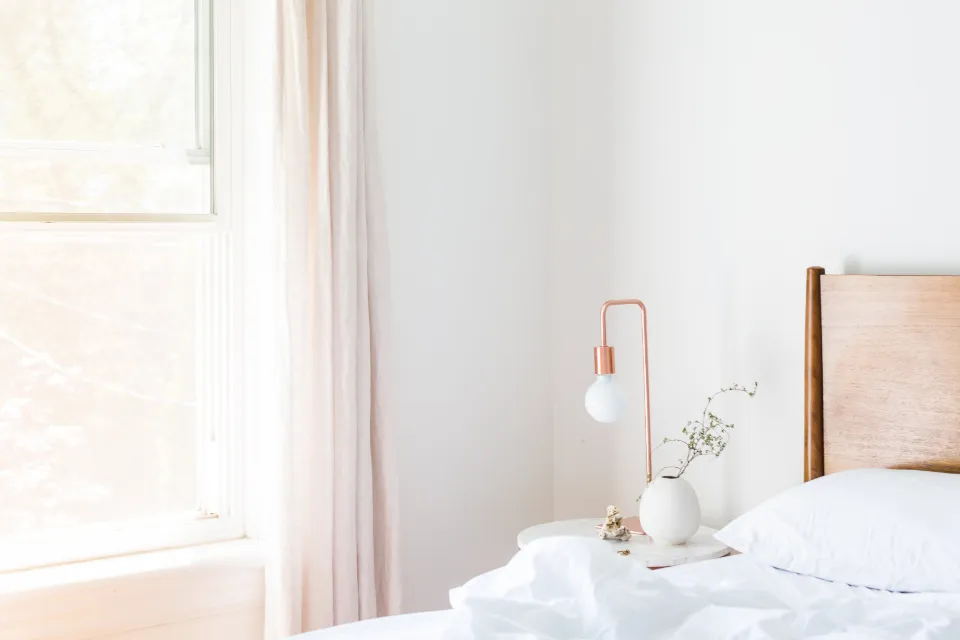
A fixed wake time, including Sundays - this anchors the body clock better than a fixed bedtime does. Morning daylight, early, which sets the timer for feeling sleepy about sixteen hours later. A cool, dark, quiet room; the body must drop about a degree to fall asleep and a hot room fights that. No caffeine after mid-afternoon - it has a half-life of five to six hours, so an evening chai is still measurably present at midnight.
It shortens the time to fall asleep and wrecks the quality of everything after, especially the second half of the night. That is why sleep after drinking does not leave you rested.
Insomnia lasting more than a few weeks. Loud snoring with daytime exhaustion. Gasping or pauses in breathing at night. Sleep apnoea is common, frequently missed, and very treatable once someone actually looks for it.
Sleep is not the reward for a finished day. It is the thing that makes the next one possible.
Cool, dark and quiet - in that order of importance.
Picked to go with what you have just read. We only list ordinary, widely available things.