Excellent health: what a body is actually asking for
Nutrition, explained without the mystique. Six things, and none of them are exotic.
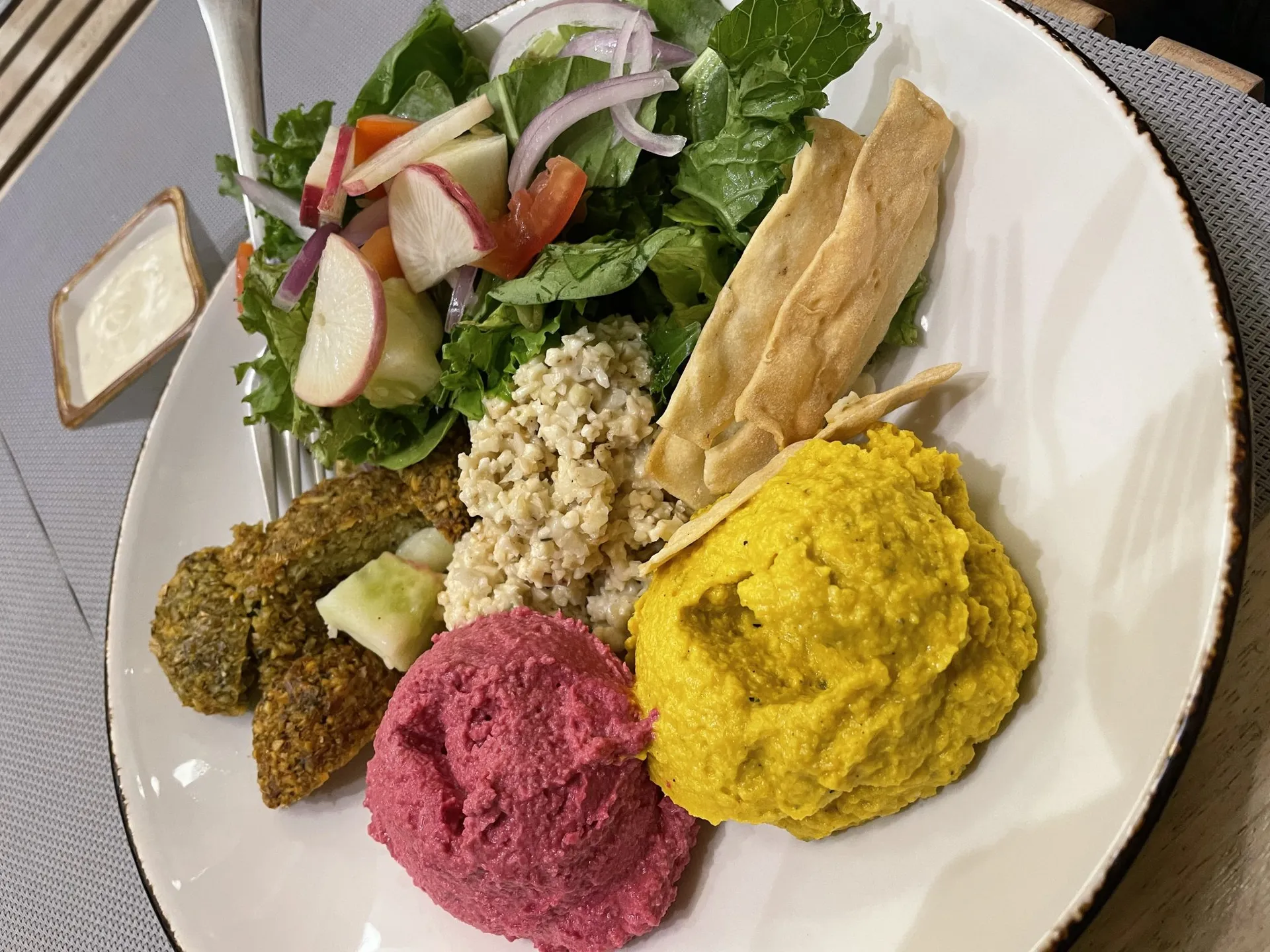
Most poor health traceable to diet comes from a boring diet, not a wicked one. Eat the same narrow set of things every day and you will be short of something eventually, however carefully you count calories.
The six things
Carbohydrates are fuel. Whole grains and cereals release them slowly; refined flour and sugar release them fast and leave you hungry sooner. Both are carbohydrate; they behave very differently.
Protein is repair and structure - muscle, skin, hair, enzymes, immune cells. Dal, eggs, milk products, paneer, soya, nuts. Most Indian vegetarian diets get enough protein but get it narrowly; variety matters more than quantity here.
Fats are not the enemy. The body needs fat to absorb vitamins A, D, E and K at all. Eating a genuinely low-fat diet costs you those vitamins regardless of how much of them you consume.
Vitamins come mostly from vegetables and fruit, with the notable exception of B12, which is essentially absent from plant food. Long-term vegetarians and vegans should have B12 checked rather than assumed.
Minerals - calcium, iron, zinc, magnesium - come from greens, dairy, nuts and whole grains.
Water is the one everybody knows and most people still get wrong.
Why variety beats optimisation
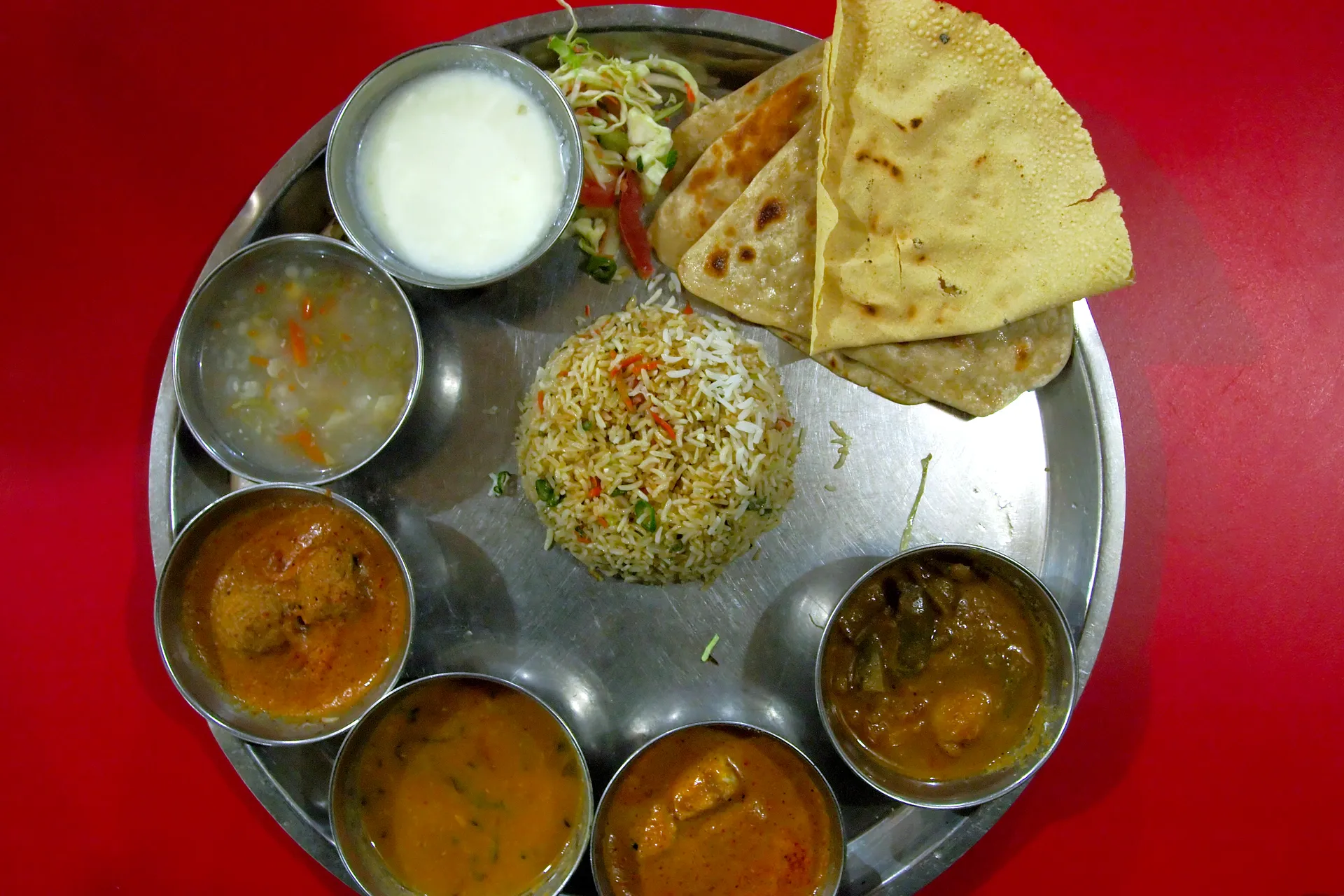
Digestion works on the whole meal, not on isolated nutrients. Vitamin C improves iron absorption. Fat unlocks vitamins A, D, E and K. Fibre changes the pace at which sugar arrives. A varied plate handles all of this on its own, without anyone having to think about it.
This is also why food beats supplements for most people most of the time. Supplements fill known gaps - they do not replace a diet.