
Panch Tattva
Rudraksha
The bead, its varieties and its practice.
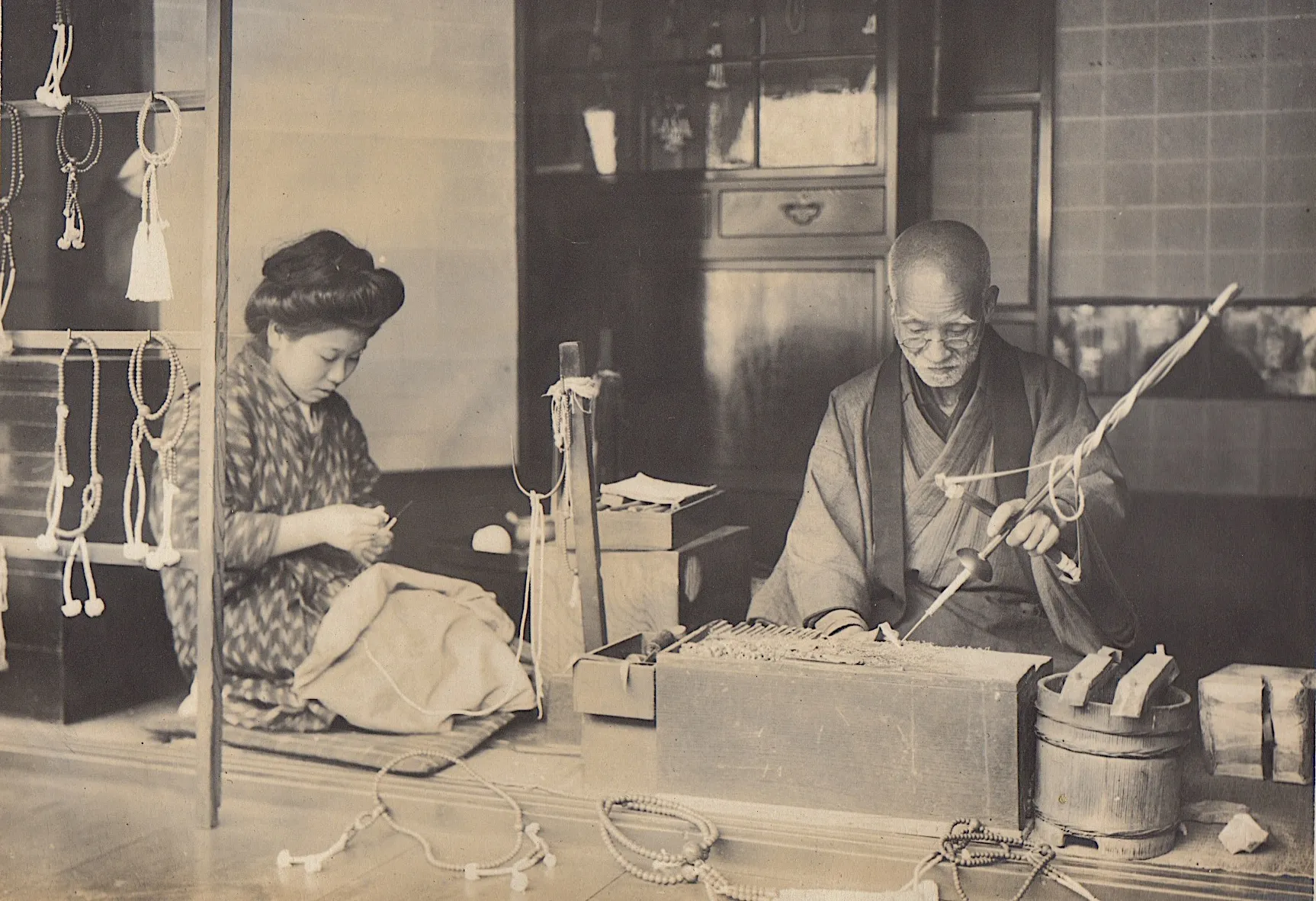
Rudraksha are the seeds of Elaeocarpus ganitrus, worn in India for centuries and associated with Shiva. They are counted by mukhi - the number of natural clefts on the seed - with different counts carrying different traditional significance.
The tradition
Five-mukhi is the commonest and is regarded as suitable for almost anyone. One-mukhi is the rarest and most prized. Malas of 108 beads are used for japa, and the counting itself - a repeated, rhythmic, tactile practice - is the part with the clearest effect: it is a focusing device, and focusing devices work.
The health claims
Rudraksha is often marketed as controlling blood pressure, curing disease or emitting beneficial energy. There is no evidence for any of this, and we are not going to repeat it. What can be said fairly is that a regular contemplative practice is associated with lower stress - and that a mala supports the practice rather than acting on the body.
The bead does not treat the blood pressure. Sitting quietly for fifteen minutes a day might genuinely help it.
Buying without being cheated
The market is heavily adulterated. Carved fakes, glued seeds and misrepresented mukhi counts are common, and rare-mukhi beads sold at high prices are frequently manufactured. Buy from an established seller, ask for laboratory certification such as an X-ray for high-mukhi claims, and treat any dramatic health promise as a sign to leave.
Care
Keep them dry, oil them occasionally, and remove them before swimming. They are organic and they degrade.