
Health Wizard
Herbal Medicine
The herbal tradition and what it is used for.
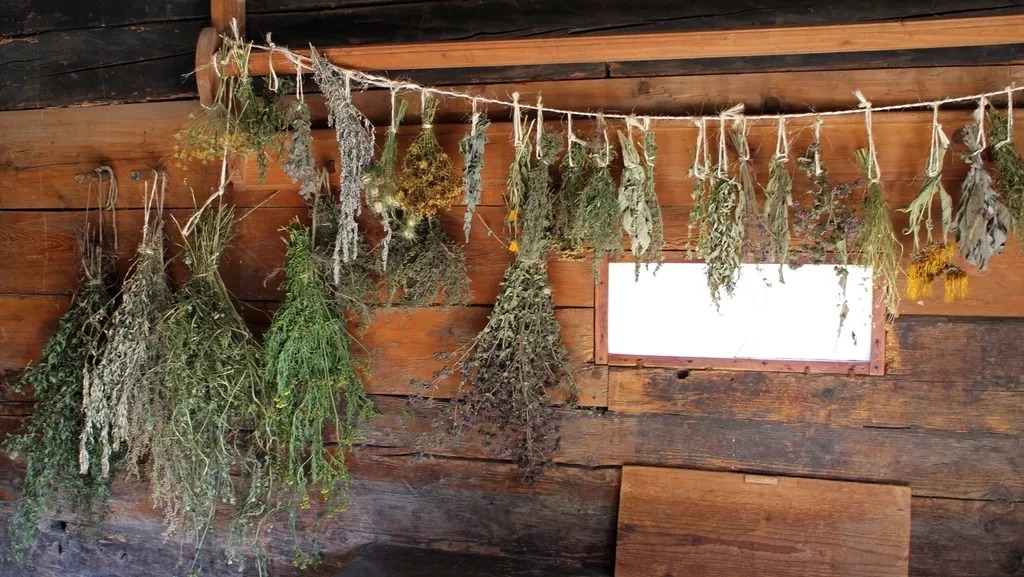
Plants have supplied a great deal of modern medicine - aspirin from willow, metformin's ancestry in goat's rue, artemisinin from sweet wormwood, morphine from poppy. The distinction between "herbal" and "pharmaceutical" is much blurrier than either side usually admits.
Where the evidence is reasonable
Ginger for nausea, including in pregnancy and after surgery. Peppermint oil for irritable bowel symptoms. Senna as a laxative, which works well enough to be sold as a licensed medicine. Turmeric's curcumin has genuine anti-inflammatory activity, although absorption from food is poor.
Where it is weaker than claimed
Most herbal remedies for serious chronic disease have been studied and found modest or inconsistent. That does not make them worthless; it makes the strong claims made for them dishonest.
If a plant is strong enough to help, it is strong enough to interact with your prescription. Tell your doctor.
The safety points that matter
Herbal preparations interact with prescription medicines - St John's wort with a long list, ginkgo and garlic with blood thinners, liquorice with blood pressure medication. Unregulated products have repeatedly been found to contain heavy metals or undeclared steroids. And "natural" says nothing about safety: digitalis, aconite and oleander are all entirely natural and will kill you.
Never
Never replace treatment for a serious diagnosed condition - cancer, tuberculosis, diabetes, heart disease - with a herbal remedy. This advice costs lives every year in India.